Skip to Content

A Commercial Regulatory Pathway for
Nuclear Micropower

City Labs combines nuclear technology development with the regulatory infrastructure needed to manufacture, distribute, transport, and launch tritium-powered systems.

From NRC-authorized device distribution to FAA payload authorization, City Labs has built a regulatory foundation for deploying tritium-powered technologies in space and other mission-critical environments.

Regulatory Infrastructure as a Competitive Advantage

Nuclear micropower requires more than technical invention. It requires licensing, safety analysis, sealed-source documentation, transportation planning, packaging compliance, and regulatory execution.

City Labs has developed the infrastructure and experience needed to move tritium-powered systems from concept toward deployable hardware.

City Labs’ regulatory capabilities support:

  • Manufacture and distribution of tritium-powered devices
  • Sealed-source device registration pathways
  • RRL and product-specific regulatory review
  • Type A packaging and transportation planning
  • Payload authorization for space missions
  • Future qualification of tritium-based power and heat systems


Regulatory Icon

NRC General License and SSDR

City Labs holds regulatory authorization supporting the manufacture, distribution, and sale of qualified tritium-powered devices.

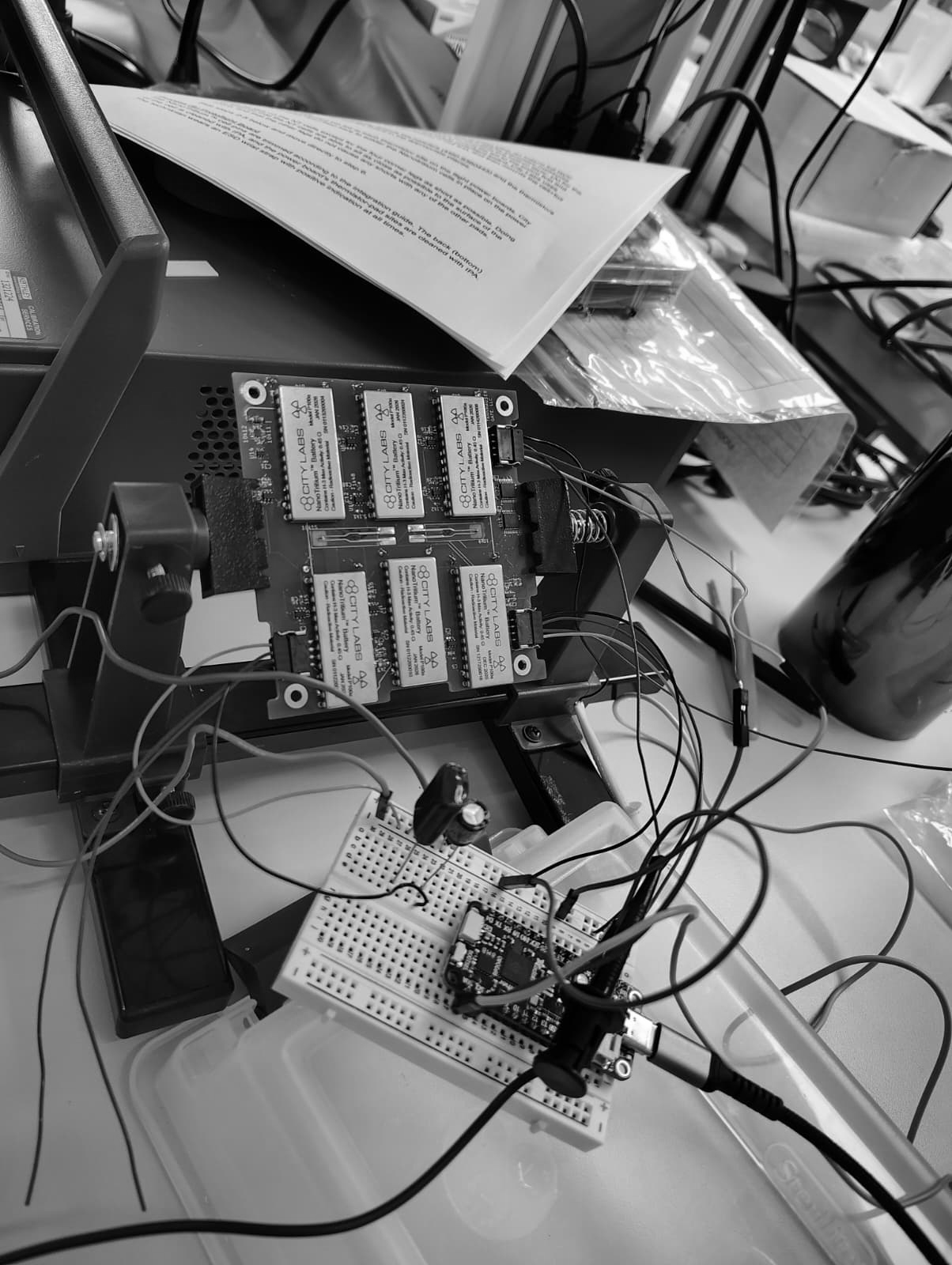
This authorization is especially important for NanoTritium™ betavoltaics, City Labs’ most mature product family, and helps reduce regulatory burden for customers using qualified devices.

Regulatory Review Icon

RRL and Product-Specific Regulatory Review

As City Labs expands beyond betavoltaics into radioisotope heat units, hybrid thermal-betavoltaic systems, and other tritium-enabled architectures, each product family requires its own regulatory review and documentation pathway.

This includes assessing device design, tritium form, containment, intended use, handling requirements, and deployment environment.

Packaging and Transport Icon

Type A Packaging and Transportation

Tritium-powered systems must be designed not only for performance, but also for safe handling, packaging, and transportation.

City Labs’ regulatory roadmap includes Type A packaging and transportation planning to support movement of qualified tritium-powered systems from manufacturing facilities to customers, integration sites, testing locations, and launch environments.

FAA Payload Icon

FAA Payload Authorization

City Labs has secured FAA payload authorization for a commercial tritium-powered space mission.

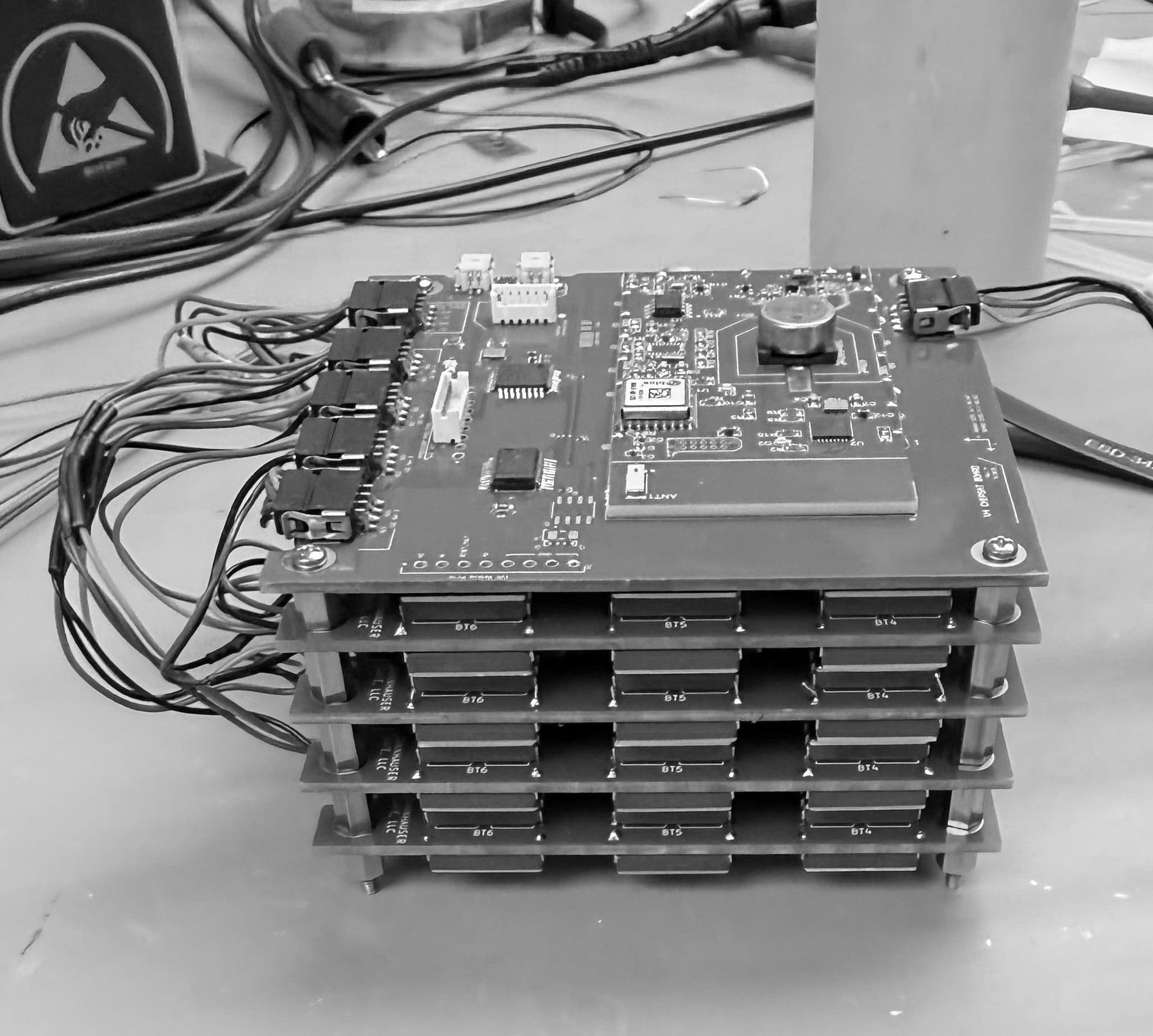
This milestone supports BOHR (Betavoltaic Orbital High Reliability) and helps demonstrate that tritium-powered space systems can move through the U.S. commercial launch approval process when supported by appropriate safety analysis, containment documentation, and regulatory coordination.

Diagram of the BOHR

BOHR and the Commercial Nuclear Space Pathway

BOHR (Betavoltaic Orbital High Reliability) is City Labs’ commercial demonstration of NanoTritium™ technology in orbit.

The mission provides a proof point for both the technology and the regulatory pathway, helping reduce risk for future tritium-powered systems in space.

BOHR supports future pathways for:

  • Betavoltaic systems
  • Radioisotope heat units
  • Hybrid thermal-electric systems
  • Small spacecraft systems
  • Lunar and deep-space applications

Need a Nuclear Micropower Partner with
Regulatory Infrastructure?

City Labs works with partners developing systems that require long-duration power, heat, propulsion, or autonomous operation in environments where conventional technologies are limited.

Scroll to Top