Skip to Content

Nuclear Power for
Mission-Critical Systems

City Labs develops tritium-based power, heat, and propulsion technologies for systems that must operate where conventional batteries, solar power, and routine maintenance fall short.

The applications below reflect priority areas where City Labs technology is being developed or applied across space, defense, and autonomous systems.

Power That Outlasts the Mission

City Labs technology is built for systems that must run for years—often decades—without recharging, replacement, or maintenance. Our tritium-based power, heat, and propulsion platforms deliver continuous energy where conventional batteries, solar, and routine servicing fall short. The applications below highlight priority areas where we are actively developing and deploying that capability with our partners.

Purple Moon Icon

CLPS Combined Heat and Power

Enabling Persistent Lunar Systems

Lunar payloads and surface systems face one of the hardest energy challenges in space: surviving long periods without sunlight while maintaining enough heat and power to protect critical hardware.

City Labs is developing tritium-based heat and power technologies that can support persistent lunar operations by combining continuous thermal output with auxiliary electrical power — reducing dependence on stored battery energy for survival heating while supporting low-power electronics, sensors, and mission-critical subsystems.

This area is closely aligned with Commercial Lunar Payload Services (CLPS), lunar infrastructure, and future surface systems that must survive extreme cold, eclipse periods, and long-duration unattended operation.

Key Partners
Satellite Icon

Auxiliary & Secondary Resilient Power for Satellites

Continuous Low-Level Power for Spacecraft Subsystems

Small satellites and spacecraft payloads often require resilient backup or auxiliary power for electronics that must remain active over long mission durations.

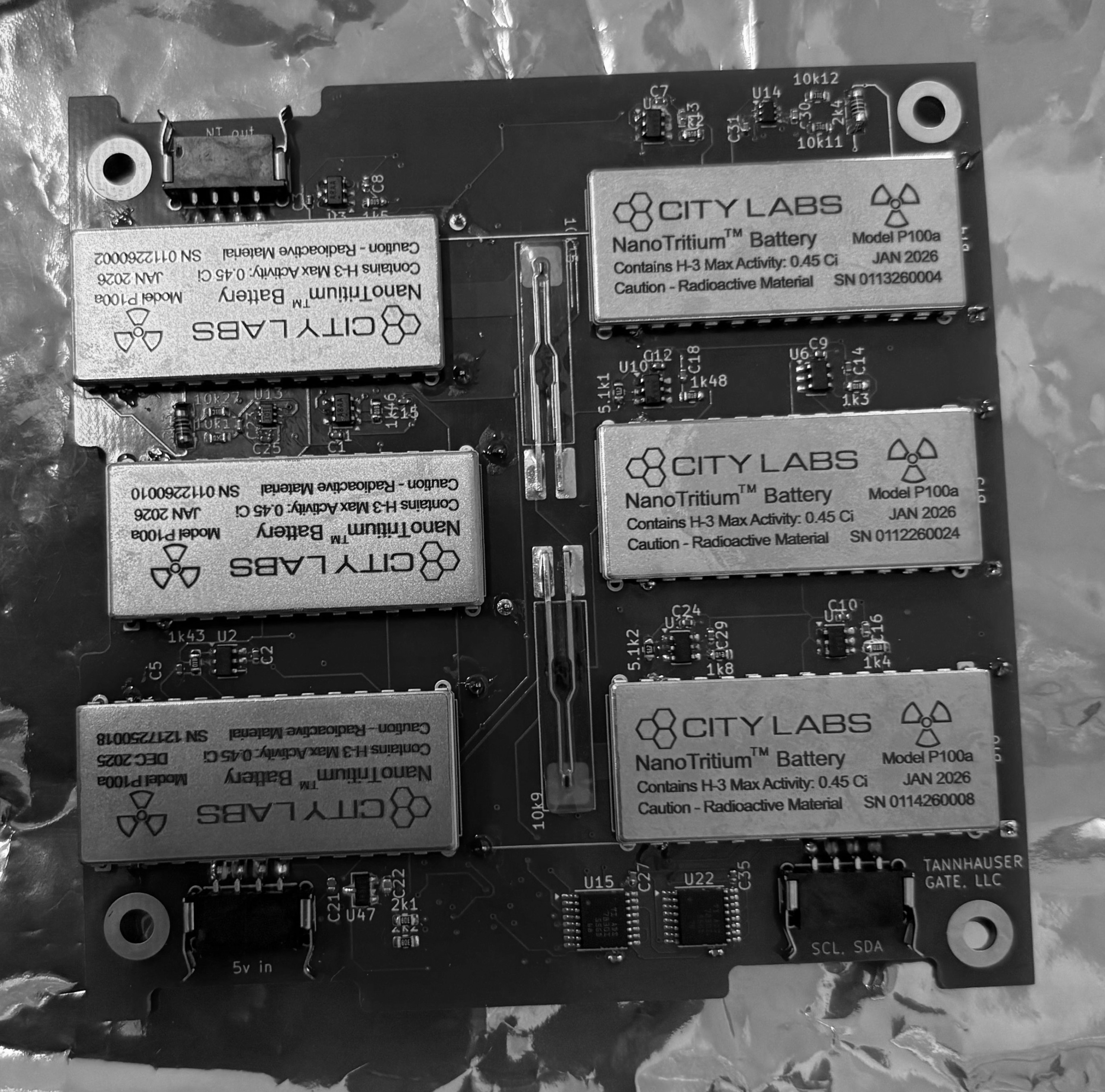
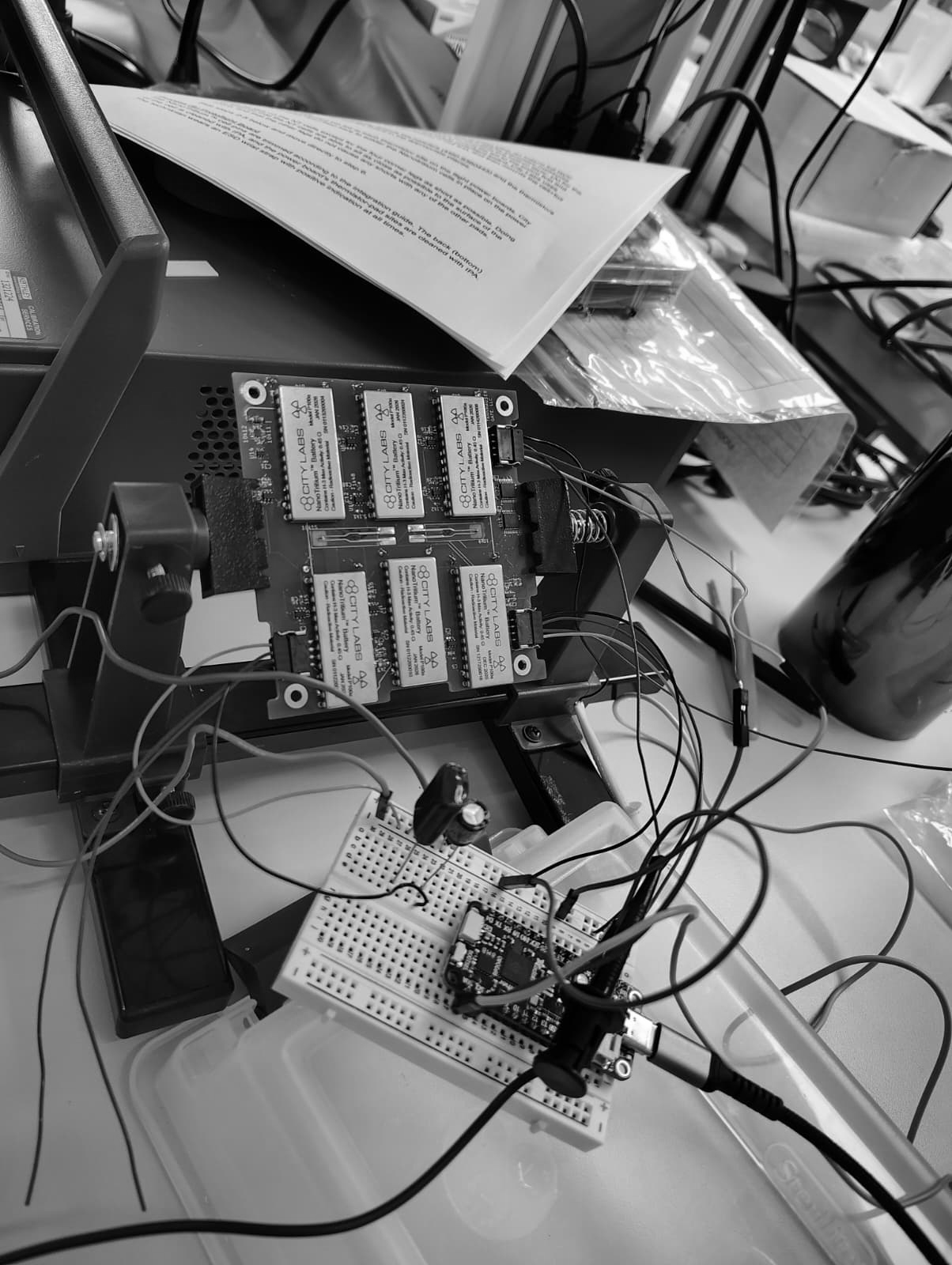
City Labs’ NanoTritium™ betavoltaic systems are designed to provide continuous low-level electrical output for spacecraft subsystems, sensors, memory retention, telemetry, and other low-duty-cycle functions — especially valuable where battery replacement, recharging, or maintenance is impractical.

This area supports the use of ultra-low-power betavoltaic systems as secondary or auxiliary power sources for satellites and hosted payloads.

Key Partners
Rocket Icon

Decadal Propulsion for Small Spacecraft

Long-Duration Propulsion Concepts for Small Satellites

Small spacecraft are increasingly important for distributed sensing, imaging, communications, and resilient space architectures. But propulsion remains a major limitation for many small satellite platforms because of tight size, mass, and power constraints.

City Labs is developing a Beta Ion Engine concept that adapts the company’s tritium-based platform for future small-spacecraft propulsion — supporting longer mission lifetimes, station keeping, orbital adjustment, and future maneuverable small spacecraft architectures.

Key Partners
Radar Icon

Autonomous Sensing

Long-Life Power for Distributed Sensors

Autonomous sensors are often deployed where retrieval, replacement, or maintenance is difficult or impossible — operating for years in remote, harsh, dark, cold, or otherwise inaccessible environments.

City Labs’ tritium-based power and heat technologies can support distributed sensor systems with long-duration energy for low-power electronics, thermal stabilization, standby operation, and autonomous wake/recovery functions.

This area includes sensing systems where long life, low maintenance, and environmental survivability are central requirements.

Key Partners
Shield Check Icon

Anti-Tamper COMSEC Unit

Persistent Power for Secure Electronics

Secure electronics and communications systems often require continuous low-level power to maintain readiness, protect sensitive information, or support anti-tamper functions.

City Labs’ NanoTritium™ betavoltaic technology can provide persistent onboard power for systems that need long-duration operation without periodic battery replacement. In COMSEC applications, this supports crypto key retention, anti-tamper electronics, and other secure low-power functions.

This is one of City Labs’ clearest defense applications — connecting core betavoltaic technology to a specific mission need: secure, maintenance-free power for critical electronics.

Key Partners
Heart Pulse Icon

Medical Implants

Leadless Pacemakers

Implantable medical devices require compact, reliable power sources that can operate for many years without replacement. For leadless pacemakers, battery life is especially important because device replacement can require additional procedures over a patient’s lifetime.

City Labs is developing betavoltaic battery technology for leadless pacemakers with the goal of extending device lifespan and reducing the need for replacement surgeries.

Key Partners

Building a Mission-Critical System?

City Labs works with partners developing systems that require long-duration power, heat, propulsion, or autonomous operation in environments where conventional technologies are limited.

Scroll to Top